Our Work
Explore the diverse fields covered by our projects.
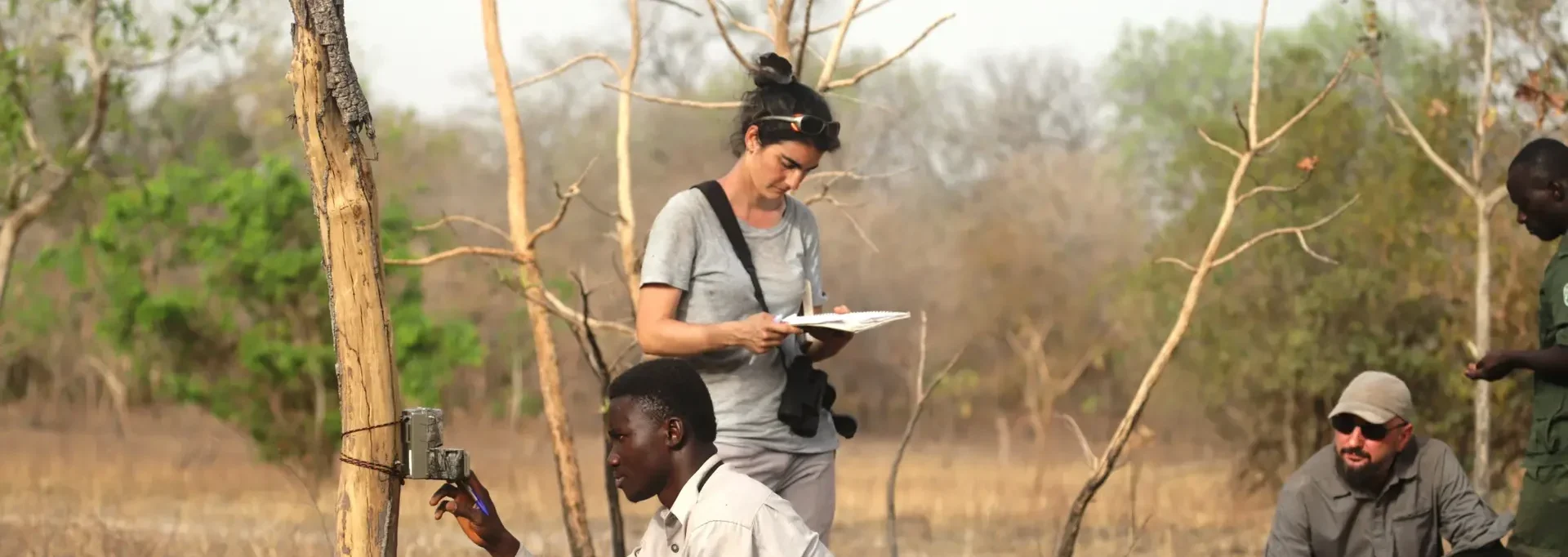
Biodiversity Research and Conservation Planning
Read MoreLess
Species of plants and animals are declining rapidly due to habitat loss, human exploitation, climate change, and invasive species. In Ghana, there is ongoing environmental degradation and biodiversity loss due to poorly regulated human activities like poor agricultural practices, logging, hunting, mining, and infrastructure development. Pronature Alliance Ghana aims to support biodiversity conservation in Ghana through field research and by working with key stakeholders to implement effective conservation strategies. Our team of experts focuses on researching and conserving threatened species while addressing the ecological impacts of human activities and finding ways to mitigate them.
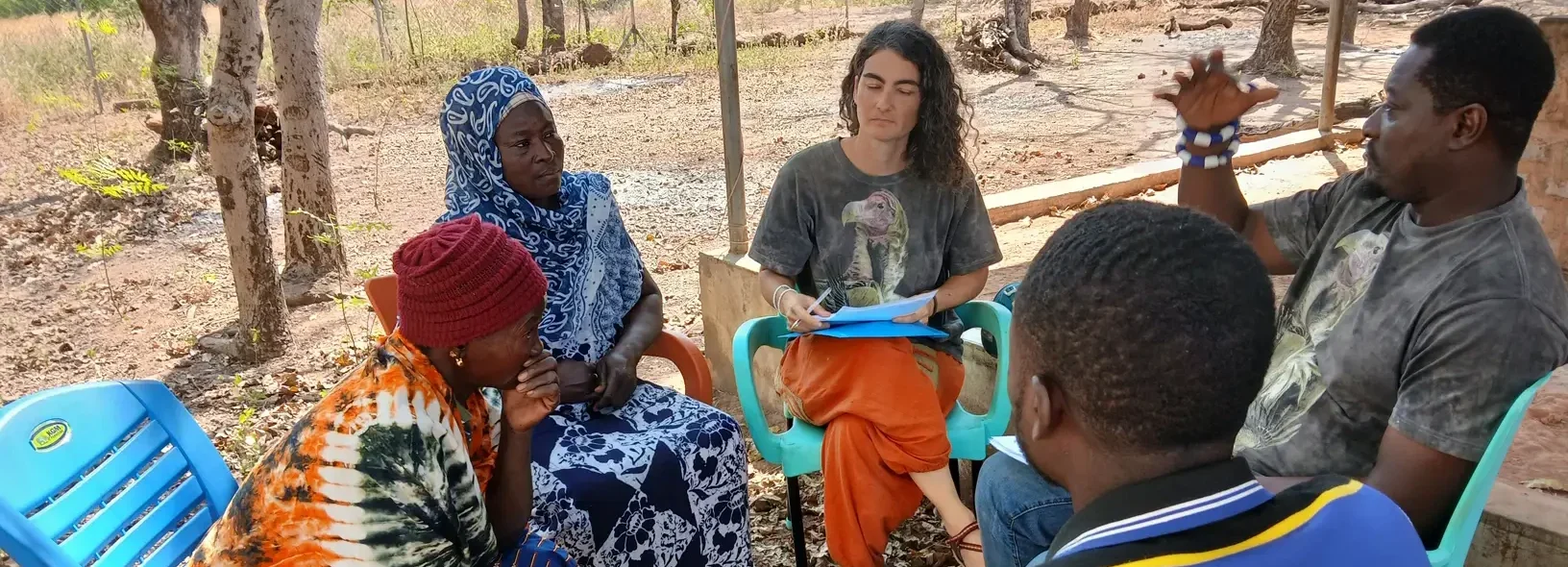
Collaborative Natural Resources Governance
Read MoreLess
Pronature Alliance Ghana empowers communities to take charge of the sustainable governance and management of their natural resources, safeguarding their environments and enhancing their livelihoods. In response to the issue of environmental degradation caused by weak governance, we support activities of the Community Resources Management Areas (CREMA) in areas we serve. CREMA is an important model designed by the Wildlife Division of the Forestry Commission of Ghana to collaborate with stakeholders to ensure effective protection of natural resources. In Ghana, the CREMA concept was developed to give meaning to Collaborative Wildlife Management, which ensures full participation of protected area fringe communities in wildlife management. The concept involves the delegation of management authority to community members who have agreed and organized themselves to support the management of natural resources with particular reference to the wildlife.

Environmental Impact and High Conservation Value Assessments
Read MoreLess
Pronature Alliance Ghana provides expert services in Environmental Impact Assessment (EIA), ensuring that the potential environmental effects of projects are carefully evaluated and mitigated. We work with clients across various industries to assess and address environmental risks, ensuring compliance with local and international regulations. In addition to EIA, we offer High Conservation Value (HCV) assessment services to identify and protect areas of significant ecological, cultural, or social value. Our team conducts thorough assessments to ensure that high conservation values are preserved throughout project development, particularly in areas with sensitive ecosystems or biodiversity. Through our HCV assessments, we help clients maintain responsible and sustainable land management practices, aligning their operations with environmental best practices and conservation goals.
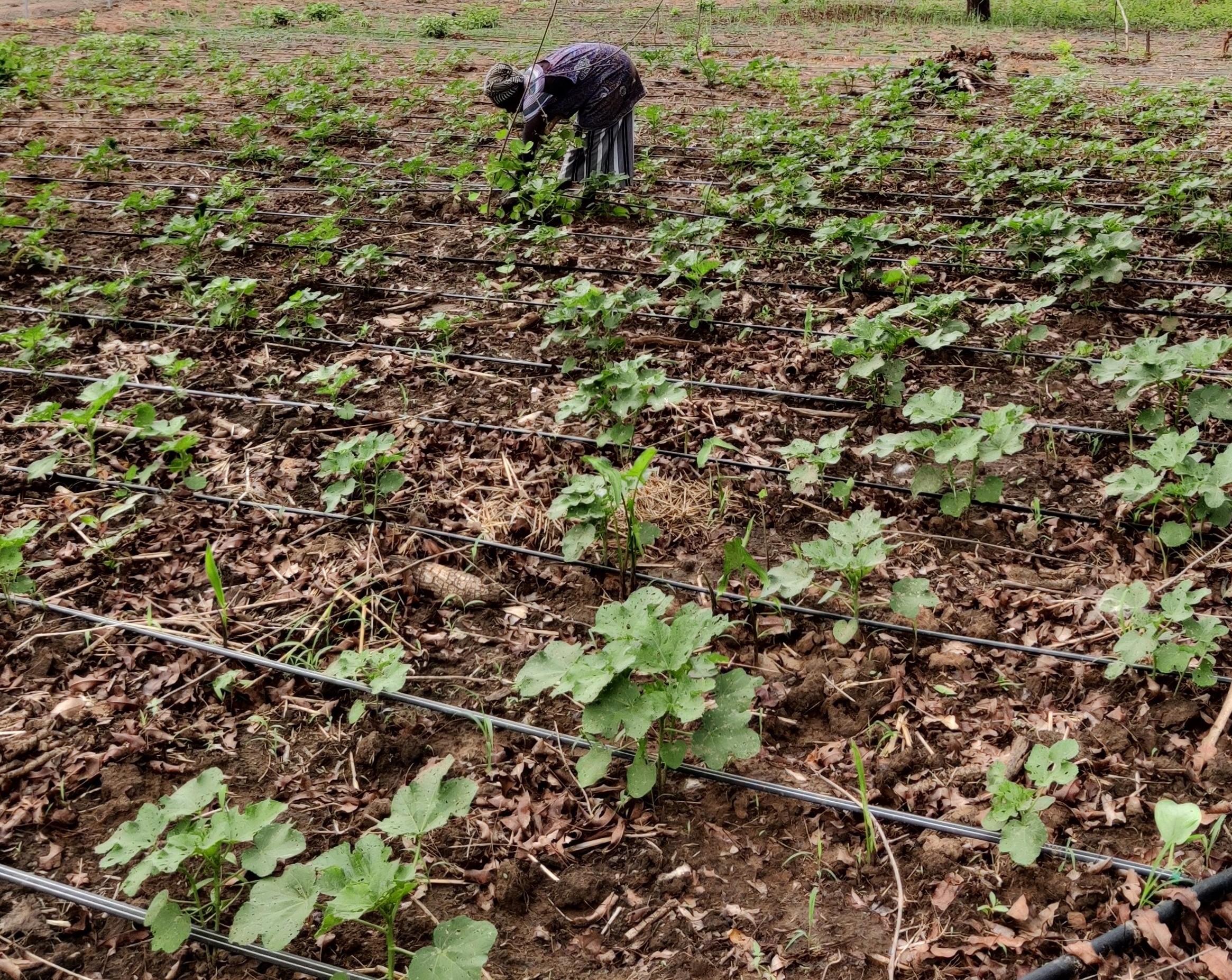
Conservation of Agricutural Systems and Landscape Restoration
Read MoreLess
Pronature Alliance Ghana focuses on empowering smallholder farmers in Ghana, who make up 85% of the rural workforce, by leveraging their local ecological knowledge for sustainable agricultural practices. The goal is to help farmers make climate-smart decisions that reduce pressure on ecosystems, restore degraded lands, and conserve biodiversity. Pronature Alliance Ghana aims to provide technical support and encourage the adoption of strategies that integrate land restoration, conservation, and agricultural production to boost resilience and productivity in the face of climate change. As part of our landscape restoration drive, we also assist communities and farmers in rehabilitating degraded lands through sustainable land management practices. Our efforts aim to restore ecosystems, improve soil health, and enhance resilience to climate change.
Biodiversity Conservation Education and Livelihood Support
Read MoreLess
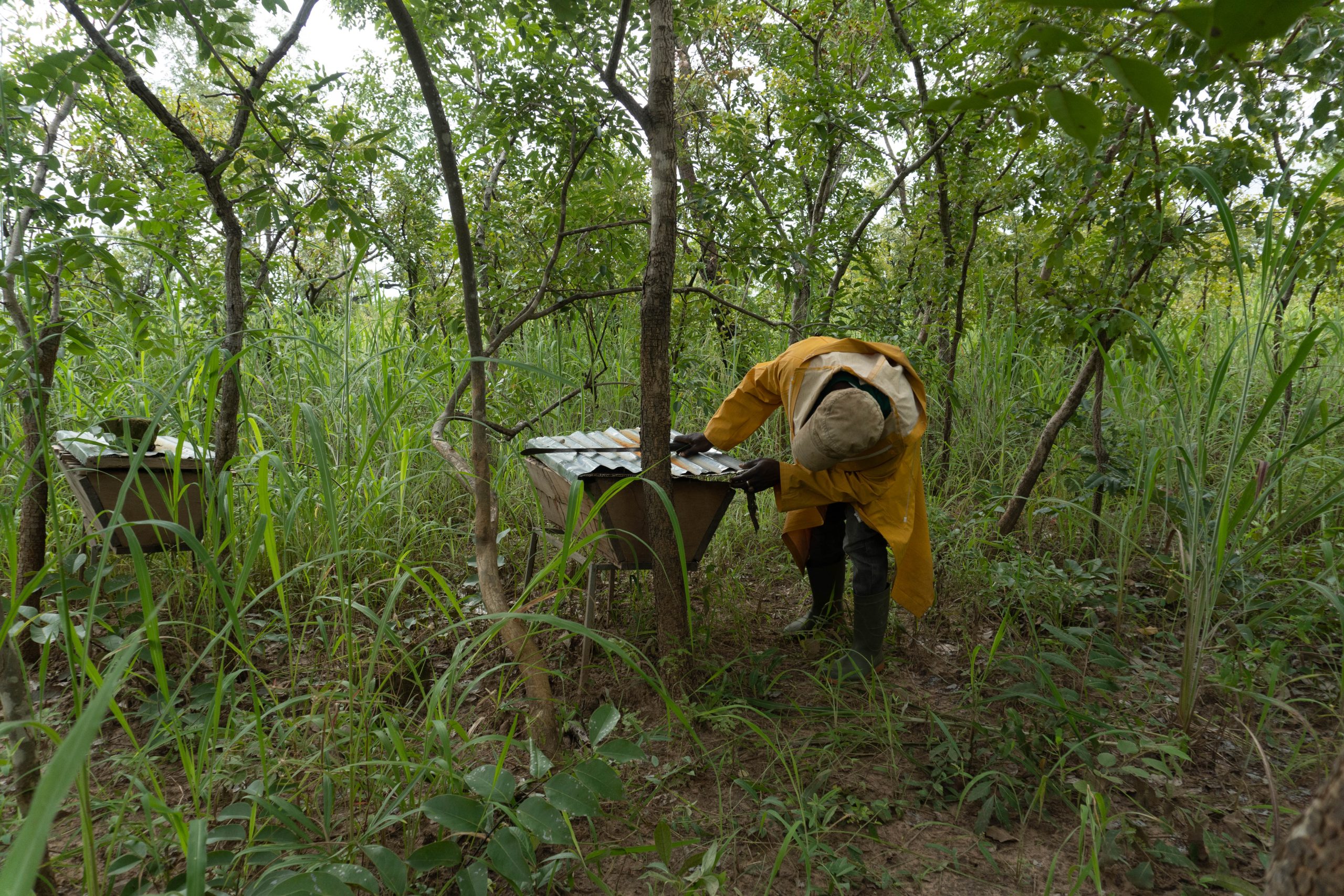
In Ghana, habitat loss and degradation are major causes of biodiversity decline. To address this, Pronature Alliance Ghana supports grassroots conservation campaigns, particularly in communities near vulnerable habitats. We focus on raising awareness about the importance of conserving biodiversity, providing training on species and ecosystem conservation, and promoting positive behavioral changes. Additionally, we offer alternative livelihood programs to help communities generate income without overexploiting natural resources. These interventions aim to reduce dependence on natural resources, improve local livelihoods, and minimize environmental impact. We also equip communities with skills to pursue sustainable income opportunities that protect the environment.